Invisalign for College Students: Flexible Orthodontic Care
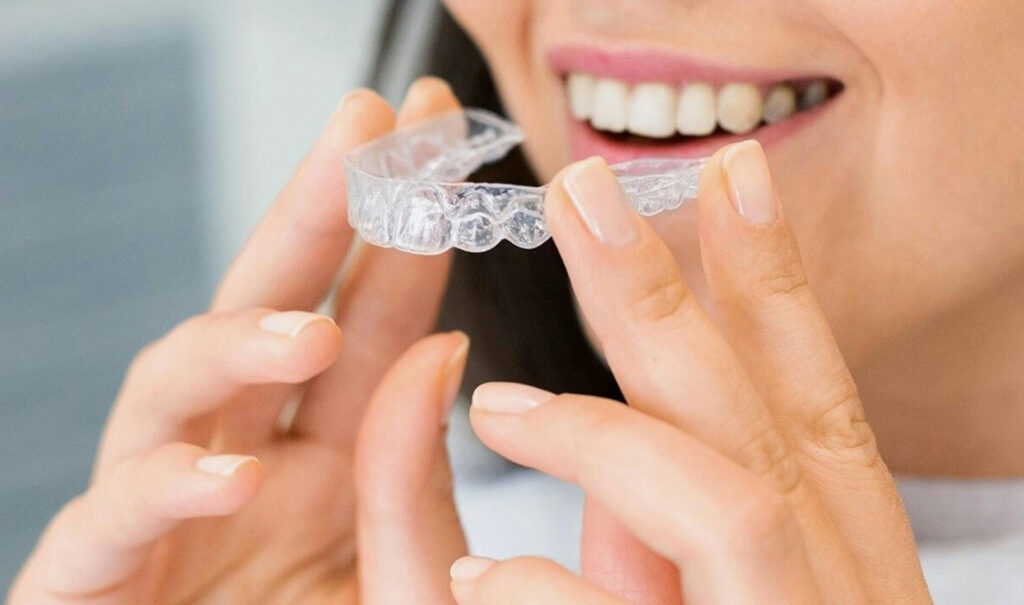

College has a way of compressing life into a narrow corridor of deadlines, crowded calendars, and fast decisions. Classes shift every semester. Meal times are irregular. Sleep often loses the battle. Somewhere in that churn, orthodontic treatment can feel like one more thing to manage. For many students, though, it is exactly the stage of life when they finally have the independence, motivation, or financial path to straighten their teeth. That is where Invisalign often enters the conversation.
I have seen a clear pattern among college-age patients. They want improvement, but they do not want treatment to dominate their routine. They care about appearance, especially in a social environment built around photos, presentations, interviews, and first impressions. They also care about practicality. If a treatment choice does not fit dorm life, campus dining, late-night study sessions, and occasional travel home, they are less likely to stay consistent. Invisalign can work very well in this setting, but only when the student understands both the flexibility and the responsibility that comes with it.
The appeal is obvious. Clear aligners are discreet, removable, and generally easier to fit around a student’s day than fixed braces. The trade-off is just as important. Because Invisalign can be removed, the patient has to be disciplined enough to wear the trays as instructed, usually around 20 to 22 hours a day. That single fact separates the students who finish on time from the ones who end up frustrated.
Why Invisalign fits the college years
Traditional braces remain an excellent option for many people, and there are cases where they are the better clinical choice. But college students often ask for something that interferes less with campus life. Invisalign meets that need in a way that feels more compatible with daily routines.
A student can remove aligners for meals, which matters more than non-students sometimes realize. Campus food schedules are unpredictable. One meal may be a quick coffee between lectures, the next may be a long dinner with friends, and another may happen at a vending machine at 11 p.m. Braces come with food restrictions and a higher chance of something getting stuck or broken. With Invisalign, there are fewer awkward moments during a crowded lunch or before a seminar presentation.
The appearance factor is real too. College students are often in a transition period where they are networking, interviewing for internships, joining clubs, speaking in class, dating, and being photographed constantly. Not everyone minds braces, and plenty of students wear them confidently. Still, many prefer a treatment that does not announce itself. Clear aligners offer that discretion without asking the student to postpone care until after graduation.
There is also a scheduling advantage. Orthodontic appointments for Invisalign are often spaced out enough to work around a semester, especially when treatment is going smoothly. That can be a major benefit for students attending school far from home, or those trying to balance classes with a job or athletics.
The freedom is real, but so is the discipline
This is the point I stress most. Invisalign is flexible care, not effortless care. The trays only work when they are in the mouth. A student who takes aligners out for coffee, then leaves them out through lunch, then delays putting them back in until evening can quickly lose momentum. A day or two of poor wear may not destroy treatment, but inconsistent habits repeated over weeks can slow tooth movement and affect results.
The students who do best usually develop simple systems early. They carry a case. They keep a toothbrush in their backpack. They have a predictable spot in their dorm room or apartment for aligner supplies. They do not wrap trays in a napkin at the dining hall, which is one of the fastest ways to watch them disappear with the trash. That mistake happens more often than people think.
One sophomore I once heard about was doing well until midterms. She started snacking while studying, taking the aligners out repeatedly, and leaving them off for long stretches because she was too tired to brush and reinsert them. By the time of her next check, her trays no longer fit properly. Nothing dramatic had happened in a single day. The problem was cumulative. Once she tightened her routine again, treatment got back on track, but she lost time she could not get back.
That story is common because college life rewards improvisation, while orthodontic treatment rewards consistency. Invisalign can tolerate a busy schedule. It does not tolerate neglect.
What treatment looks like in a campus routine
A lot of students imagine orthodontic care as a constant inconvenience. In practice, Invisalign tends to fold into the day if the student is realistic about what that day actually looks like.
Morning is usually the easiest anchor point. Wake up, brush, put the trays in, and start the day without negotiation. From there, the challenge is less about big decisions and more about repeated small ones. A student grabs a latte before class. Fine, but if it contains sugar or milk, the aligners should come out first. Lunch with friends runs long. Fine again, but the trays need to go back in once eating is done and teeth are rinsed or brushed. A late-night pizza break after a lab session is not a problem unless the aligners end up on the desk until sunrise.
Dorm life adds its own quirks. Shared sinks, limited privacy, and the general chaos of communal living can make dental hygiene feel less convenient than it does at home. Students who are prepared usually handle this well. A compact hygiene kit, travel toothpaste, floss picks, and aligner case solve most of the problem. Students who rely on vague good intentions tend to struggle. College punishes vague plans.
There is also the question of speech. Some students notice a slight lisp for a few days after starting aligners or switching to a new set. In most cases it fades quickly as the tongue adjusts. For a student giving presentations or participating in debate, that short adaptation period is worth planning for. Starting a new tray the night before a major oral presentation is not always ideal. It is a small detail, but small details often separate a smooth experience from a stressful one.
Cost matters, especially for students
For college students and their families, cost is rarely abstract. It competes with tuition, rent, books, travel, and everything else that comes with higher education. Invisalign is often comparable in cost to braces, but the exact fee depends on case complexity, location, provider experience, and whether refinement trays are likely. Some cases are straightforward. Others need longer treatment and more oversight.
What matters most is transparency. Students should ask how the fee is structured, what it includes, and what happens if treatment takes longer than expected. Retainers, replacement trays, refinements, missed appointment fees, and emergency visits should all be discussed upfront. Orthodontic treatment is much easier to manage when there are no surprises halfway through a semester.
Insurance can help in some cases, especially when there is orthodontic coverage, but many college students are on family plans with varying benefits. Health savings accounts and flexible spending accounts may also be relevant depending on the family’s setup. Monthly payment plans are common in orthodontic practices, and for students, that flexibility can make treatment possible sooner rather than later.
It is worth being honest about priorities too. A student who already knows money will be tight, travel will be frequent, and self-management will be inconsistent may be better served by delaying treatment a bit or discussing whether another option is more practical. Good care is not just about what is theoretically attractive. It is about what the patient can actually sustain.
When Invisalign works especially well
Invisalign can be an excellent choice for mild to moderate crowding, spacing, and certain bite issues, though every case needs a professional evaluation. It tends to work particularly well for motivated students who value appearance, can follow routines, and want fewer disruptions to eating and social life.
I have noticed it often suits students in performance-heavy environments. Think business majors doing frequent presentations, theater students, resident assistants, campus tour guides, or anyone interviewing regularly. The visual subtlety matters to them. So does the ability to remove aligners briefly for an important event. That does not mean they should be out for long, but it does mean treatment can adapt to life in a way that fixed appliances cannot.
Athletes also sometimes appreciate Invisalign, particularly in non-contact settings where appearance and comfort are concerns. In contact sports, a custom conversation with the orthodontist is important because mouthguard needs and treatment mechanics can complicate things. There is no universal rule here, only case-by-case judgment.
Musicians who play wind instruments sometimes find clear aligners easier than brackets and wires, though there can still be an adjustment period. Again, the benefit is flexibility, not total absence of adaptation.
When another option may be smarter
There are students for whom Invisalign is not the ideal fit, even if they like the idea. The most obvious group is students who know they are unlikely to wear the aligners enough. This is not a moral failing, just a practical reality. If someone already struggles to keep up with glasses, medications, or basic routines under stress, removable orthodontics may become one more unfinished task.
Some orthodontic issues are also better treated with braces or with a more complex approach. Clear aligners have improved enormously over the years, but they still depend on case design, patient compliance, and the biological reality of how teeth move. A skilled orthodontist can explain whether the expected result with Invisalign is comparable to braces, or whether fixed appliances offer more precision and control.
Students with heavy grinding habits may also need a careful discussion. Aligners can protect tooth surfaces to some extent, but clenching can wear trays down and sometimes make treatment less comfortable. For patients with existing gum issues, cavities, or poor oral hygiene, those problems need attention too. Straightening teeth is not separate from overall oral health.
Food, coffee, and the social side of treatment
If you ask college students what worries them most, it usually is not tooth movement. It is whether treatment will be annoying in ordinary life. That concern is fair. College is social, and much of that social life revolves around food and drinks.
Invisalign handles this better than braces, but it asks for awareness. Students should remove aligners before eating and before drinking anything other than plain water. Coffee deserves special mention because it sits at the center of campus culture. Hot coffee can warp trays. Sugary coffee trapped under aligners can raise cavity risk. Even black coffee can stain the plastic over time. None of this means a student has to give up coffee. It means they need a routine. Drink it during a defined break, clean up, put the trays back in, and move on.
This can feel fussy for the first week or two. Then it usually becomes normal. In fact, some students end up snacking less simply because taking the aligners out repeatedly is inconvenient. That can be a surprising side effect, sometimes welcome, sometimes not. For students trying to maintain calorie intake during sports training or high-stress academic periods, that pattern is worth noticing.
Dating, parties, and spontaneous meals out also come up often. The practical answer is simple. Keep the case with you. Never place trays loose in a pocket or on a table. If the aligners come out for dinner, they go into the case, not a napkin. Many replacement-tray requests begin with a restaurant napkin.
Appointments, travel, and being away from home
One reason college students like Invisalign is that it can often be managed with fewer interruptions. Depending on the treatment plan, appointments may be spaced several weeks apart. That can work well for students living on campus or attending school in another city.
Still, planning matters. Semester breaks are useful checkpoints. Some families prefer to start treatment in summer, when there is time to adapt to the trays before the semester intensifies. Others begin during winter break so the initial soreness and learning curve happen while the student is at home. There is no perfect start date, but there are definitely better and worse ones. Starting the same week as finals, a move into a dorm, or the launch of a varsity season is usually not the smoothest choice.
Students who go to school far from their provider should discuss logistics early. Can several trays be dispensed in advance? What happens if an attachment breaks? Is there a plan for emergencies on campus? Can some check-ins be handled remotely, if clinically appropriate? These are not glamorous questions, but they are the ones that make treatment workable.
Comfort, soreness, and what is actually normal
College students tend to get advice from roommates, social media, and classmates who wore aligners for two weeks and suddenly became experts. A little clarity helps here. Some soreness is normal, especially when starting treatment or switching to a new set of trays. Most patients describe it as pressure rather than sharp pain. It often peaks early and fades over a couple of days.
Attachments, the small tooth-colored bumps bonded to teeth to help movement, can feel strange at first. They may make aligners more noticeable up close, though still generally discreet. Students should know about them ahead of time so they are not surprised if their version of Invisalign looks slightly more involved than a celebrity ad suggested.
Dry mouth, minor irritation, and temporary speech changes can also happen. Usually they settle. Persistent pain, poor tray fit, gum swelling, or signs of decay are not things to ignore. A student should contact the treating office rather than hoping the issue will resolve on its own after midterms.
Retainers are where many college students slip
Finishing active treatment feels like the finish line, but retention is what protects the result. Teeth have a memory. Without retainers, they tend to drift. College students are particularly vulnerable here because once the aligners are done, the structure disappears. There are no more routine tray changes, no visible appliances, and often no immediate sense of risk.
That is exactly when consistency matters most. I have seen students do an excellent job through the active phase, then get careless with retainers during summer travel or after graduation events, only to notice crowding returning. Minor relapse can happen faster than people expect. Retainer instructions are not ceremonial. They are the maintenance plan for the investment already made.
Choosing the right provider matters more than the marketing
Many students first encounter Invisalign through advertising, social media, or friends. That can create the impression that all providers and all treatment plans are essentially the same. They are not. Clear aligner treatment depends heavily on diagnosis, planning, and follow-through.
A good consultation should feel specific, not generic. The provider should examine bite relationships, gum health, existing dental work, and the likely level of student compliance. They should explain whether Invisalign is a strong option for that particular case, not just a popular one. If the student is heading to campus two states away, logistics should be part of the treatment planning, not an afterthought.
This is one area where experience shows. The right clinician does not just sell flexibility. They identify where flexibility helps and where it may undermine the outcome. For a college student, that kind of honesty is valuable.
The best candidates know themselves
The students who thrive with Invisalign are not necessarily the most organized people in every area of life. They are the ones who https://www.google.com/maps?cid=2377252397395601081 can build one reliable habit and respect it. They understand that removable appliances only work when they are actually worn. They appreciate that the reward is subtle, convenient treatment that fits around classes, work, and social life.
For the right college student, Invisalign is a very practical form of orthodontic care. It can preserve confidence during a socially intense stage of life, reduce food restrictions, and make treatment easier to coordinate with an unpredictable schedule. But the flexibility only pays off when it is paired with follow-through. That is the central truth of aligner treatment on campus.
College already asks students to manage freedom well. Invisalign asks for the same skill in a smaller, more personal form. For students ready for that responsibility, it can be an excellent fit.
Omni Dental Specialty
Address: 1690 E Gonzales Rd, Oxnard, CA 93036
Phone number: +18053666000
FAQ About Invisalign
How much does Invisalign actually cost?
The out-of-pocket cost for Invisalign typically ranges between $3,000 and $8,000, with most patients paying a national average of roughly $5,100 to $5,700 before insurance.
What is the downside to Invisalign?
The biggest downsides to Invisalign are the intense discipline required to wear the trays 22 hours a day, the inconvenience of removing them to eat or drink, and the inability to fix severe, complex orthodontic issues.
Is $5000 a lot for Invisalign?
No, $5,000 is not considered a lot for Invisalign; it is exactly the national average. Treatment costs typically fall between $3,000 and $8,000, and $5,000 is the standard fee for a moderately complex case that takes 6 to 18 months to complete.